
In the fast-paced world of automotive collision repair, efficiency and precision are the ultimate drivers of profitability. As modern automotive coatings become more advanced, the expectations for flawless paint jobs have never been higher. While much attention is given to premium spray guns and high-tech clear coats, experienced technicians know that perfect refinishing begins long before the first coat of paint is applied. It starts with proper surface preparation and high-performance masking solutions.
The Hidden Cost of Subpar Masking
For busy body shops, overspray is the enemy. Utilizing low-quality masking materials often leads to bleeding, flaking, or static-induced dust attraction—issues that result in costly reworks, wasted materials, and delayed cycle times. To maintain a competitive edge, global collision centers are shifting away from traditional masking paper and upgrading to specialized, multi-layered automotive masking films.
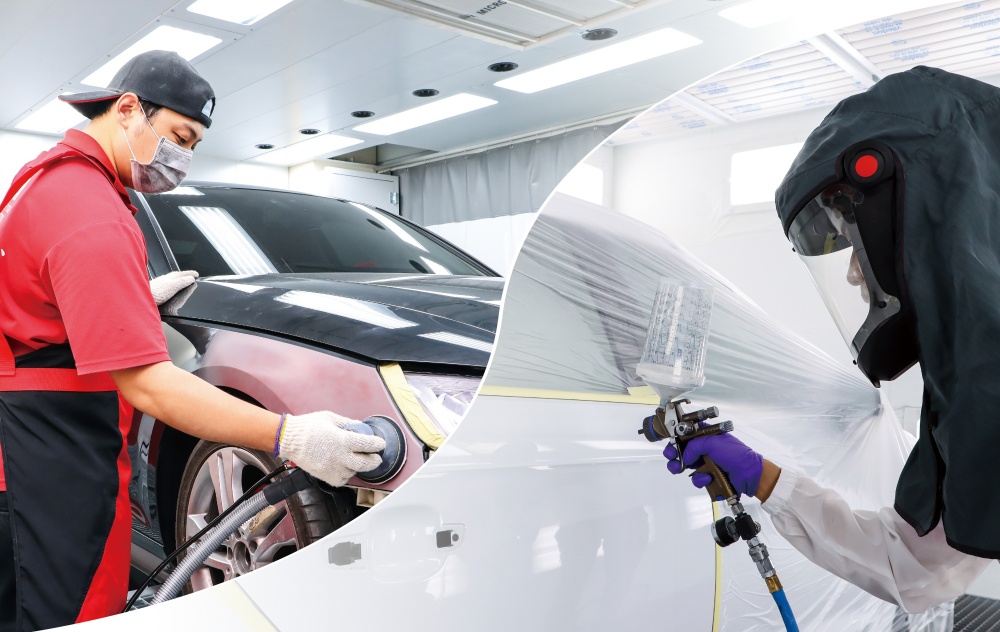
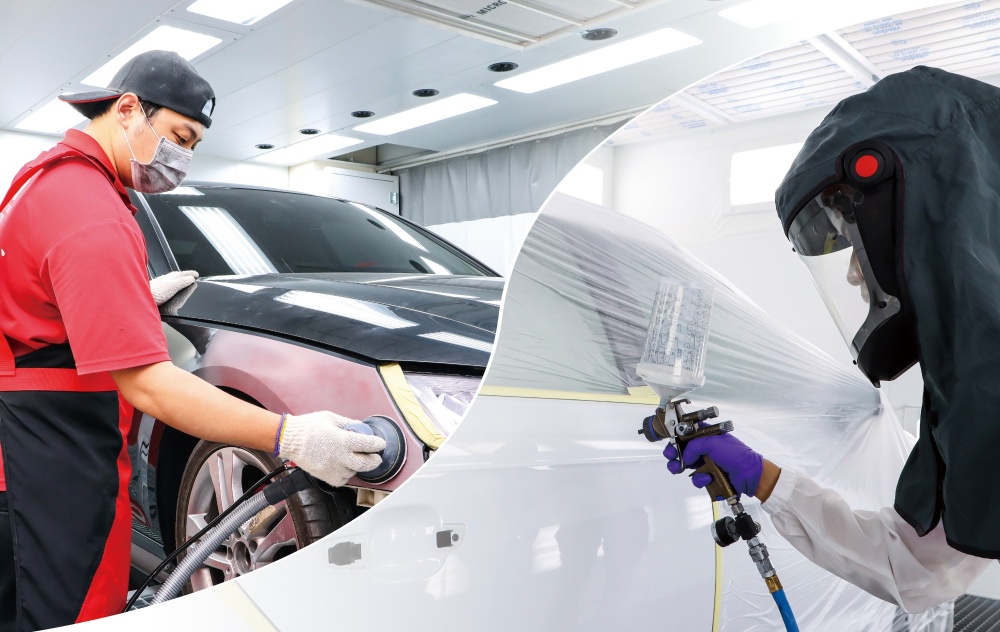
Why Premium Masking Film is a Game-Changer
Modern, high-tier automotive masking films offer distinct advantages that directly impact a shop’s bottom line:
• Superior Paint Adhesion: Advanced corona treatment ensures that paint overspray sticks directly to the film instead of flaking off onto the freshly painted surface.
• Excellent Static Cling: High-quality film contours perfectly to the vehicle’s body shape, locking out dust and ensuring a tight, reliable seal.
• Ghosting Prevention: Specially engineered formulas prevent moisture from getting trapped under the film, eliminating the risk of imprinting or "ghosting" on vulnerable clear coats.
• Easy Handling & Cutting: Center-folded designs allow a single technician to mask an entire vehicle quickly, significantly reducing labor hours per job.
Choosing Your Total Masking Solution
A flawless finish requires a system where materials work in perfect harmony. Pairing a high-density masking film with a premium, residue-free paint masking tape ensures sharp paint lines and easy removal, leaving zero adhesive behind even after high-temperature baking cycles.
